Old Silk Saree Exchange Rate – Check the Value of Your Old Silk Sarees
Looking for the Old Silk Saree Exchange Rate for your unused or pre-owned silk sarees? The exchange value of an old silk saree can vary depending on its silk quality, zari work, design, condition, age, craftsmanship, and overall material.
If you have old Kanchipuram silk sarees, pattu sarees, zari silk sarees, wedding silk sarees, or traditional silk sarees that you no longer use, you can enquire about their potential exchange value.
Old Silk Saree Exchange Rate
There is no single fixed Old Silk Saree Exchange Rate that applies to every saree. Each saree can have a different potential exchange value based on its individual characteristics and condition.
Factors that may influence the exchange value include:
- Silk quality
- Zari work and material
- Saree condition
- Design and craftsmanship
- Age of the saree
- Overall preservation
- Type and origin of the saree
A properly maintained silk saree may receive a different evaluation from a saree with significant stains, tears, fading, or deterioration.
How Is The Old Silk Saree Exchange Rate Determined?
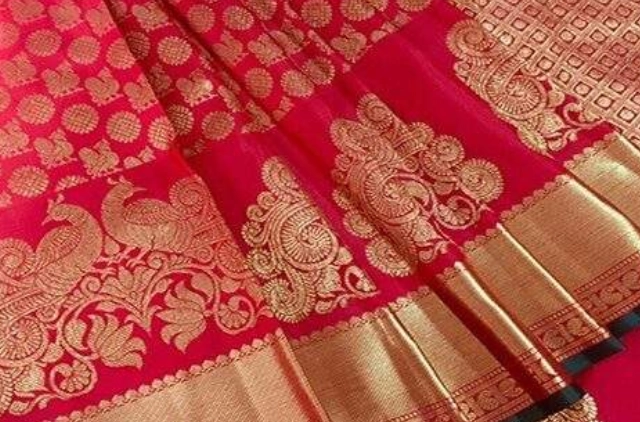
When evaluating an old silk saree, a buyer may examine the silk fabric, zari work, border, pallu, design, craftsmanship, and overall condition.
Clear photographs and accurate saree details can help with an initial evaluation. The final exchange value may depend on the buyer’s current evaluation criteria and the condition of the saree.
Old Kanchipuram Silk Saree Exchange Rate
The Old Kanchipuram Silk Saree Exchange Rate can vary depending on silk quality, zari work, traditional design, craftsmanship, condition, and age.
If you have an old Kanchipuram silk saree, provide clear photographs of the complete saree, border, pallu, and zari work when requesting an evaluation.
Old Pattu Saree Exchange Rate
The Old Pattu Saree Exchange Rate can also differ from one saree to another. Silk quality, zari work, design, condition, craftsmanship, and preservation can influence the potential exchange value.
Old Kanchipuram pattu sarees and traditional wedding pattu sarees can be submitted for evaluation based on their individual characteristics.
Old Zari Silk Saree Exchange Rate
If you have an old zari silk saree, the Old Zari Silk Saree Exchange Rate may depend on the silk fabric, zari work, design, craftsmanship, condition, and overall quality.
Clear photographs of the zari border, pallu, and complete saree can help with the initial enquiry.
How To Check Your Old Silk Saree Exchange Rate
1. Select Your Old Silk Sarees
Choose the silk sarees that you no longer use and want to exchange.
2. Check Their Condition
Inspect the silk fabric, zari, border, pallu, blouse piece, and overall condition.
3. Take Clear Photographs
Take photographs of the complete saree and close-up images of the important details.
4. Share Saree Information
Provide the saree type, approximate age, condition, design, and purchase details when available.
5. Request An Evaluation
Share the photographs and details with a suitable silk saree buyer or exchange service and enquire about the potential exchange value.
6. Review The Exchange Terms
Compare the valuation and exchange conditions carefully before deciding whether to proceed.
Old Silk Saree Exchange Value
The Old Silk Saree Exchange Value is not the same for every saree. Two silk sarees that appear similar may receive different evaluations because their silk quality, zari work, design, condition, or craftsmanship can differ.
For this reason, it is useful to have each saree evaluated individually.
Old Silk Saree Exchange Rate Per Saree
There is no universal rate that applies to every old silk saree. The potential exchange value can change according to the characteristics and condition of each saree.
A buyer may assess individual sarees separately rather than applying one standard exchange rate.
Old Silk Saree Exchange Rate Online
You can enquire about the Old Silk Saree Exchange Rate Online by sharing clear photographs and saree details with a suitable buyer or exchange service.
This can be a convenient way to begin an evaluation from home, especially when you have multiple old silk sarees.
Old Silk Saree Exchange Rate Near Me
People searching for Old Silk Saree Exchange Rate Near Me, Old Silk Saree Buyers Near Me, or Old Silk Saree Exchange Near Me can compare available services before selecting a suitable option.
Before completing an exchange, check the evaluation process, exchange terms, payment or adjustment conditions, and customer feedback.
Check Old Silk Saree Exchange Rate With SaleZari
If you want to know the potential exchange value of your old silk sarees, SaleZari provides an online option to enquire about unused and pre-owned traditional sarees.
You can share photographs and details of your old silk sarees, Kanchipuram silk sarees, pattu sarees, zari sarees, wedding sarees, and other traditional sarees for evaluation.
Visit salezari.in to enquire about your old silk saree exchange value.
Frequently Asked Questions
What is the Old Silk Saree Exchange Rate?
The Old Silk Saree Exchange Rate refers to the potential value offered for an old or pre-owned silk saree when it is exchanged, based on its material, silk quality, zari work, design, condition, and other characteristics.
Is there a fixed exchange rate for old silk sarees?
No. The potential exchange value can vary from one saree to another depending on its individual characteristics and condition.
How can I check my old silk saree exchange rate?
You can share clear photographs and saree details with a suitable silk saree buyer or exchange service and request an evaluation.
What affects the exchange value of an old silk saree?
Silk quality, zari work, design, craftsmanship, condition, age, and overall material may influence the potential exchange value.
Can I check the exchange value of old Kanchipuram silk sarees?
Yes. Old Kanchipuram silk sarees can be submitted for evaluation based on their silk quality, zari work, design, condition, and craftsmanship.
Can I check the exchange value of multiple old silk sarees?
Yes. Multiple sarees can be evaluated individually, and their potential exchange values may differ.